Field guide · Large Cat Tree Guide

The Best Cat Trees for Large Cats (Maine Coons and Big Breeds)

A cat tree for large cats has to hold a 20-pound Maine Coon without swaying. Here are five sturdy towers with wide perches, thick sisal posts and real anti-tip bases, plus how to size one for a big cat.

Updated June 2026·12 min read·Researched against large-breed behavior and feline enrichment guidance
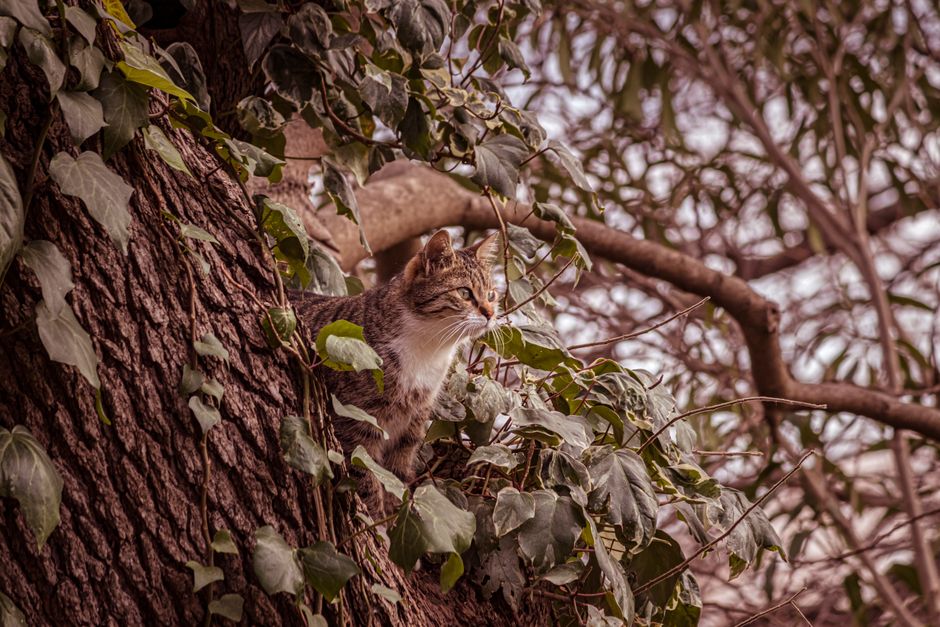
The Best Cat Trees for Large Cats (Maine Coons and Big Breeds)Fig. 1 · Big cat, real height
Photo: Alexander Kovalev / Pexels

Three field marks decide the fit

A cat tree for a big breed lives or dies on three measurements, and none of them is the photo on the box. Read your room and your cat against these before you read a single review.

Ceiling height

How tall is the room?

The ceiling sets your ceiling, literally. A standard eight-foot room comfortably takes a full tall tower, while a low or sloped attic room wants a stout, shorter tree with the weight low down.

Cat size and breed

How big will the cat get?

A long Maine Coon, Ragdoll or Norwegian Forest cat keeps filling out for years. Size the tree for the adult it will become, not the kitten weighing in on the scale today.

Base footprint

How wide can the base be?

Stability starts on the floor. A wide, heavy base is what stops the rocking that scares a big cat off a tree, so the footprint matters as much as the height.

How to read this field guide

Most cat trees on the shelf are built for an average eight to twelve pound house cat. A Maine Coon, Ragdoll, Norwegian Forest cat, Savannah or a big barn-bred tabby is a different animal: longer, heavier, stronger through the shoulders, and far harder on the hardware. Drop one of them onto a tree designed for a small cat and the perches sag, the posts flex, and the whole tower rocks on the floor. The cat feels that wobble instantly, decides the tree is not safe, and goes back to scratching your sofa.

So this is not a ranked top-ten list. It is a field guide built around fit. The first job is to size a tree to your cat and your room, the second is to make sure it cannot tip, and only then does it matter which model you buy. Work top to bottom: run the fit finder, read the sizing field guide, walk the stability checklist, then meet the five trees as field entries grouped by the space and the cat each one suits.

Every product here is judged on structure, not decoration: base footprint, post diameter, perch width, weight rating with headroom, and a real anti-tip system. Get those right and a large cat claims the tree as territory, scratches on it instead of your furniture, and uses the height it craves. Get them wrong and you own an expensive piece of furniture the cat ignores.

Fit finder: match a tree to your room and cat

Pick your ceiling height and your cat's size and the finder returns a recommended tree height plus the entry that fits, before you read a single review.

Fit finderTwo questions, one recommended height and a matching tree.
1. How tall is the room?
2. How big is the cat (or cats)?

General sizing guidance, not a product spec. Always measure your room and check the maker's own weight chart before you buy.

Aim for a treeabout 60 to 72 in

A full tall tower fits with a foot or two of clearance to spare.

Best match for this room and catFrisco 72-in Cat Tree & Condo

Because it is the tall, roomy all-rounder for a single big cat in a normal room.

Check price on Amazon →

How to size a cat tree for large cats

Sizing a tree for a big breed is not about chasing maximum height. It is about matching four field measurements to your actual cat and your actual room. Take each one in turn.

Ceiling heightLeave 12 to 24 in of clearance

Measure floor to ceiling first, because it caps everything else. A standard eight-foot room takes a full tall tower, around 60 to 72 inches, with comfortable headroom. A nine-foot or vaulted ceiling can carry the tallest towers or a tall tree paired with wall shelves. A low, sloped or attic ceiling calls for a shorter, stouter tree, roughly 50 to 58 inches, so the cat is not crammed against the ceiling at the top perch. Big cats love height, but they value a rock-steady top platform far more than a few extra inches.

Base footprintWider and heavier is better

The base is the single most important stability feature, and the one most buyers ignore in favor of looks. A broad, weighted base with a large footprint resists the rocking that a 20-pound cat creates every time it launches off the side. Narrow, furniture-friendly bases tip or skate, especially on hard floors. As a rule, pick the widest, heaviest base that physically fits your space, then place it against a wall so you can anchor it.

Perch diameter and depthBig enough to lie down fully

An average perch is barely twelve inches across, which is fine for a small cat and useless for a long one. A large breed needs broad platforms, oversized cradles or a roomy hammock it can stretch out on without a leg hanging off the edge. Wide perches are the feature big-cat owners say turns a tree from ignored to beloved. Posts matter here too: thick, large-diameter posts do not flex or creak when a heavy cat hauls itself up or throws its weight into a scratch, and that solid feel is what builds the cat's trust.

Weight ratingAround 30 lb per perch or more

Read the per-perch rating, not just a total for the whole tree. A single big cat wants platforms that comfortably hold around 30 pounds or more, and a multi-cat home should aim higher. The point is margin. A tree loaded near its limit flexes and feels unsafe to a cautious heavy cat, while one with headroom feels planted and gets used. When a maker only quotes a total capacity, treat it with suspicion and size up.

Big-breed reference: size the tree for the adult cat

BreedTypical adult weightWhat it needs from a tree
Maine Coon15 to 22 lbLong body and heavy frame. Wants the widest perches and the tallest sturdy posts.
Ragdoll12 to 20 lbBig, relaxed and floppy. Prioritize broad lounging platforms and a roomy hammock.
Norwegian Forest12 to 18 lbStrong climber and scratcher. Thick sisal posts earn their keep here.
Savannah12 to 20 lbAthletic and tall when stretched. Loves real height with a planted base.
Large mixed tabby12 to 18 lbThe everyday big cat. Aim for capacity headroom and wide perches all the same.

Large breeds mature slowly, often not reaching full size until three to five years old, so a kitten that fits a small tree today can outgrow it within a year. These are general adult ranges, not a product spec, and individuals vary widely.

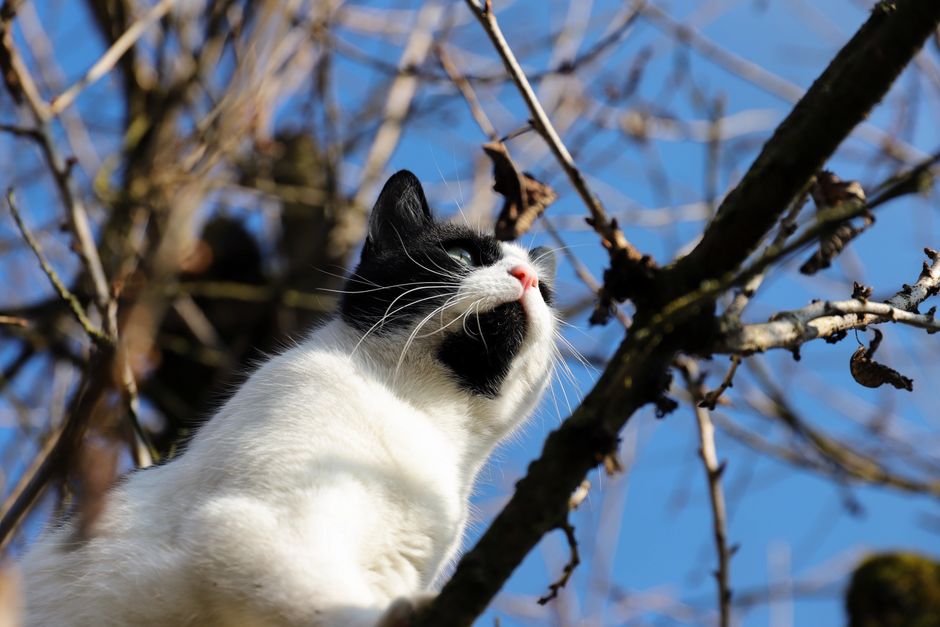
cat climbing (Christina & Peter)
Photo: Christina & Peter / Pexels

Sisal, carpet or plush: what goes where

Surface material is not a detail on a big-cat tree, it is the difference between a scratching post that lasts a year and one that shreds in a month. Match each material to the job it does.

Sisal rope or sisal fabric

Scratching posts

The right surface for anything the cat claws. Big cats are powerful scratchers, and thick sisal stands up to heavy clawing, gives a full-body stretch and keeps nails healthy. Favor tall posts wrapped in dense sisal, and check that worn wraps can be replaced rather than forcing you to bin the whole tree.

Carpet or low-pile fabric

Perches and ramps, not posts

Fine underfoot, poor as a scratching surface. Thin carpet looks cozy but shreds fast under heavy claws and can snag a nail. Use it for footing on perches and steps, but do not rely on a carpet-wrapped post to survive a serious scratcher.

Plush faux fur

Beds, cradles and condos

All about comfort, not durability. Soft plush makes a perch or condo a place a big cat actually wants to nap, which is half the battle in getting the tree used. Expect it to show shedding, and keep it to the lounging surfaces rather than the working posts.

The stability checklist: make it impossible to tip

A tall tree under a heavy cat is a lever, and the top perch is exactly where a nervous big cat decides whether to trust it. Walk this checklist before and after assembly. If you cannot tick every box, the tree is not ready for a big cat.

Field guide: the best cat tree for large cats, by space and cat

Five trees worth owning, each an entry filed by the space it suits and the cat it is built for. They are not ranked one to five, they are matched, so read for your room and your cat rather than for a number.

No. 01Habitat: Standard or high-ceiling roomsBest for: One large cat or a small multi-cat home
Tall tower · illustration

Frisco 72-in Faux Fur Cat Tree & Condo

The all-rounder

The safe default for most large cats: tall, roomy and sturdy without the premium price.

Mid-rangeTall towerTall, around 72 in

This is the tree most big-cat owners reach for first, and it earns the spot. It is genuinely tall, giving a climbing breed the height it wants, and pairs that with multiple platforms and a covered condo big enough for a large cat to actually fit inside rather than wedge into. In a standard or high-ceiling room it is the natural centerpiece.

The construction is sturdy for the price, the sisal posts hold up to heavy scratching, and the soft faux fur is comfortable for long naps. It is not handcrafted solid wood, so treat the wall strap as essential at this height, but anchored properly it stays steady under a heavy cat.

Reach for it if you want one well-rounded tower for a single large cat or a small multi-cat home. If you have the heaviest breeds or a serial scratcher who destroys everything, step up to the New Cat Condos Premier. On a tight budget, look at the FEANDREA.

Field marks
  • Full tall-tower height for a climbing breed
  • A covered condo a big cat fits inside, not wedges into
  • Dense sisal posts that take heavy scratching
Watch-outs
  • !Must be wall-anchored at full height
  • !Faux fur shows shedding
Check price on Amazon →Live price & reviews on Amazon
No. 02Habitat: Anywhere you want permanent furnitureBest for: The heaviest breeds and rough scratchers
Solid wood tower · illustration

New Cat Condos Premier Large Cat Tree

Built to outlast

Handcrafted solid wood built to outlast the heaviest, roughest big cats.

PremiumSolid wood towerMedium-tall, solid frame

When people say a cat tree feels like furniture, this is the kind they mean. It is built from solid wood with a heavy base and oversized perches, so it does not flex, creak or rock the way boxed particleboard towers do. For a 20-plus pound cat, that rock-solid feel is exactly what builds trust, and it fits a home where the tree is meant to be permanent.

The perches are large enough for a long Maine Coon to sprawl across, and the construction is made to be repaired and re-wrapped rather than thrown away. You pay a real premium, but you are buying a tree that survives years of a powerful cat instead of one you replace annually.

Reach for it if you have the heaviest breeds, a destructive scratcher, or you would simply rather buy once. If you want similar sturdiness for less, the Frisco is the value step down. For several big cats sharing one tree, weigh the Hey-brother instead.

Field marks
  • Solid wood frame with no flex or creak
  • Oversized perches for a long Maine Coon to sprawl
  • Made to be repaired and re-wrapped, not binned
Watch-outs
  • !Premium price
  • !Heavy and not easy to move
Check price on Amazon →Live price & reviews on Amazon
No. 03Habitat: Standard rooms on a budgetBest for: A first big-cat tree for one cat
Multi-level tower · illustration

FEANDREA 67-in Cat Tree

Best value

The sensible budget pick that still gets the big-cat basics right.

BudgetMulti-level towerTall-ish, around 67 in

FEANDREA has made big-cat trees a long time, and this one shows it. For the money you get a tall, multi-level tower with larger perches and thicker posts than you would expect at this price, plus an anti-tip kit in the box. In a standard room on a budget it covers the essentials that actually matter.

It is engineered wood rather than solid timber, so it is not the most premium option here and the top perches are best for a single cat at a time. But it gets the big-cat basics right: capacity, perch size and stability, for noticeably less money.

Reach for it as a first big-cat tree, a second tree for another room, or a low-risk way to test whether your cat will commit to a tower before spending more. If you want maximum durability, move up to the Frisco or New Cat Condos.

Field marks
  • Larger perches than most trees at this price
  • Thicker posts than budget towers usually run
  • An anti-tip kit included in the box
Watch-outs
  • !Engineered wood, not solid
  • !Top perches suit one cat at a time
Check price on Amazon →Live price & reviews on Amazon
No. 04Habitat: Low ceilings and slick floorsBest for: Nervous or older heavy cats
Reinforced tower · illustration

PEQULTI 58-in Large Cat Tree

Most planted

Engineered around stability for big breeds, with a reinforced base and dual anti-tip hardware.

Mid-rangeReinforced towerShorter and stout, around 58 in

PEQULTI built this one specifically for heavy breeds, and it leans hard into stability. A thickened baseboard and a wide footprint keep it planted, the posts are chunky enough to feel safe under a big cat, and it ships with anti-tip hardware to lock the top down. Its shorter, stout build suits low ceilings and slick floors where taller towers feel tippy.

It also adds the comforts large cats actually use: an extra-wide hammock and a roomy reinforced perch sized for a Maine Coon or Ragdoll rather than an average cat. It is not as tall as the Frisco, but for a cautious heavy cat the planted, no-sway feel is the whole point.

Reach for it for nervous or older big cats that refuse wobbly trees, and for slick-floor homes where lighter towers skate. If you want more height and a hideaway condo, the Frisco is the better all-rounder.

Field marks
  • Thickened baseboard and a wide, planted footprint
  • Chunky posts that feel safe under a big cat
  • Dual anti-tip hardware to lock the top down
Watch-outs
  • !Shorter than the tallest towers
  • !Heavier to reposition once built
Check price on Amazon →Live price & reviews on Amazon
No. 05Habitat: Bigger rooms with floor spaceBest for: Two or more big cats
Multi-perch tower · illustration

Hey-brother Large Multi-Level Cat Tree

For a full household

Multiple roomy perches and condos so two or more big cats can share without squabbling.

Mid-rangeMulti-perch towerTall, spread wide

If you have more than one large cat, the problem is rarely height, it is real estate. This Hey-brother tower spreads several wide perches, a hammock and condos across its frame so two big cats can claim their own spots instead of fighting over a single top perch. It needs a bigger room with floor space to spread into.

The posts are thick, the sisal is generous for multiple scratchers, and the base is wide to handle the load of more than one heavy cat moving at once. Wall-anchor it, since a multi-cat tree sees a lot of simultaneous jumping.

Reach for it in two-plus big-cat households that need shared space and plenty of scratching surface. For a single heavy cat or the toughest scratcher, the New Cat Condos Premier is sturdier; for one cat on a budget, the FEANDREA wins.

Field marks
  • Several wide perches plus a hammock and condos
  • Generous sisal for multiple scratchers
  • A wide base sized for more than one heavy cat at once
Watch-outs
  • !Big footprint to fit in a room
  • !Best results need wall anchoring
Check price on Amazon →Live price & reviews on Amazon
cat climbing (Kaan  Keskin)
Photo: Kaan Keskin / Pexels

Placement: where a big cat will actually use it

Most refusals come down to where the tree stands, not the tree itself. A large cat is territorial and a little cautious, so put the tower where it already wants to be and back it against something solid.

By a window

The strongest spot for almost any cat. A perch overlooking the yard, the street or a bird feeder turns the tree into a watch post, and a sunny ledge becomes the prime nap spot in the house. Place the tallest perch where it catches the view, and your big cat will choose the tree over the windowsill on its own.

In a corner

Two walls behind the tree kill most of the sway and give a cautious heavy cat a secure back. A corner also lets you anchor into a stud and keeps the footprint out of the traffic path. For a tall tower under a big cat, a corner is the most stable place in the room.

In the family's space

Hidden in a spare room, a tree goes unused. Large cats want to be near their people, so put the tower where the family actually spends time, the living room or a home office, even if a smaller tree there beats a grand one banished down the hall.

Spread out for multiple cats

In a multi-cat home, one tall tower can become a flashpoint as cats compete for the top. Either choose a wide multi-perch tower so each cat has its own level, or place two trees in different rooms so a lower-ranking cat is never cornered away from height.

Assembly tips that keep a big-cat tree solid

A heavy-duty tree is only as sturdy as its assembly. Boxed towers in particular reward care here, so do not rush it.

  1. Lay every part out and match it to the manual before you start. Big trees ship with near-identical posts and bolts, and one piece in the wrong place means a rebuild later.
  2. Build on the floor where the tree will live, not across the house. These towers are heavy and awkward to carry once assembled, and dragging one tweaks the joints.
  3. Hand-start every bolt before tightening any of them. Snugging one corner fully first throws the frame out of square and leaves a permanent lean.
  4. Tighten in stages, working around the tree, then go around once more at full torque. A fully seated joint is what stops the creak and flex a heavy cat distrusts.
  5. Fit the wall strap or anti-tip bracket as part of the build, not as an afterthought. Anchor into a stud if you can, and choose the placement so the strap stays taut.
  6. Re-check every bolt after the first week of use, then monthly. Cats loosen hardware over time, and a quick tighten keeps the tree feeling new for years.

FAQ: choosing a cat tree for large cats

What is the best cat tree for a Maine Coon or large cat?

For most big cats the Frisco 72-in is the best all-around pick because it is tall, roomy and sturdy for the price. If you have the heaviest breed or a destructive scratcher, the solid-wood New Cat Condos Premier lasts longer, and for a tight budget the FEANDREA 67-in covers the basics well. Use the fit finder above to match height and cat size to a specific pick.

How do I size a cat tree for a big cat?

Work through four field marks. Measure your ceiling height and leave a foot or two of clearance, pick the widest and heaviest base that fits your room, look for perches broad enough that the cat can lie down fully, and check the per-perch weight rating is around 30 pounds or more for a single big cat. Size for the adult the cat will become, since large breeds keep growing for years.

What weight capacity do I need for a big cat?

Look at the per-perch rating, not just a total for the whole tree. For a single large cat, aim for platforms that comfortably hold around 30 pounds or more, and go higher for a multi-cat home. The extra margin keeps the tree feeling solid, which is what convinces a heavy cat to use it.

How wide should the perches be for a large cat?

Wide enough that your cat can lie down fully without a leg hanging off the edge. Many standard perches are barely twelve inches across, which is too small for a long Maine Coon. Favor broad platforms, oversized cradles, or a roomy hammock the cat can stretch out on.

How do I stop a tall cat tree from wobbling or tipping?

Start with a wide, heavy base, then use the included wall strap or anti-tip kit to anchor the top to the wall. Level the floor contact, tighten every joint fully, and stress-test the finished tree by leaning on it before the cat climbs. Anchoring removes the last bit of sway at the highest perch, which is exactly where a cautious heavy cat decides whether the tree is safe.

Carpet or sisal for a heavy cat?

Sisal for the scratching posts. Big cats are powerful scratchers and thin carpet shreds quickly, while thick sisal stands up to heavy clawing and keeps nails healthy. Carpet or plush is fine on the perches and beds for comfort, but you want sisal on the surfaces your cat actually scratches.

Are solid wood cat trees worth it for big cats?

For the heaviest or roughest cats, often yes. Solid wood does not flex, creak or wobble the way boxed particleboard towers can, and it stands up to years of heavy scratching and climbing. You pay more upfront, but you usually replace it far less often, which is why it is the pick for big destructive cats.

How tall should a cat tree be for a Maine Coon?

Tall enough to satisfy a climbing breed, but height matters less than capacity, perch width and a stable base. In a standard room a tower around 60 to 72 inches is plenty, with a foot or two of clearance below the ceiling. A shorter, rock-solid tree beats a tall one that sways every time the cat jumps.

My big cat ignores the cat tree, why?

Almost always it is stability or placement. If the tree rocked or swayed once, a cautious heavy cat will not trust it again, so anchor it and check for flex. Then move it somewhere the cat already likes to be, by a window or in the family's space, add catnip or treats, and let the cat explore the lower levels first.

Affiliate disclosure. This guide is reader-supported. When you buy through links on this page we may earn a commission, at no extra cost to you. As an Amazon Associate I earn from qualifying purchases. Picks are filed on sturdiness and big-cat fit, not commission.

General guidance, not veterinary advice. If your cat shows any sign of pain or illness, contact your vet.